



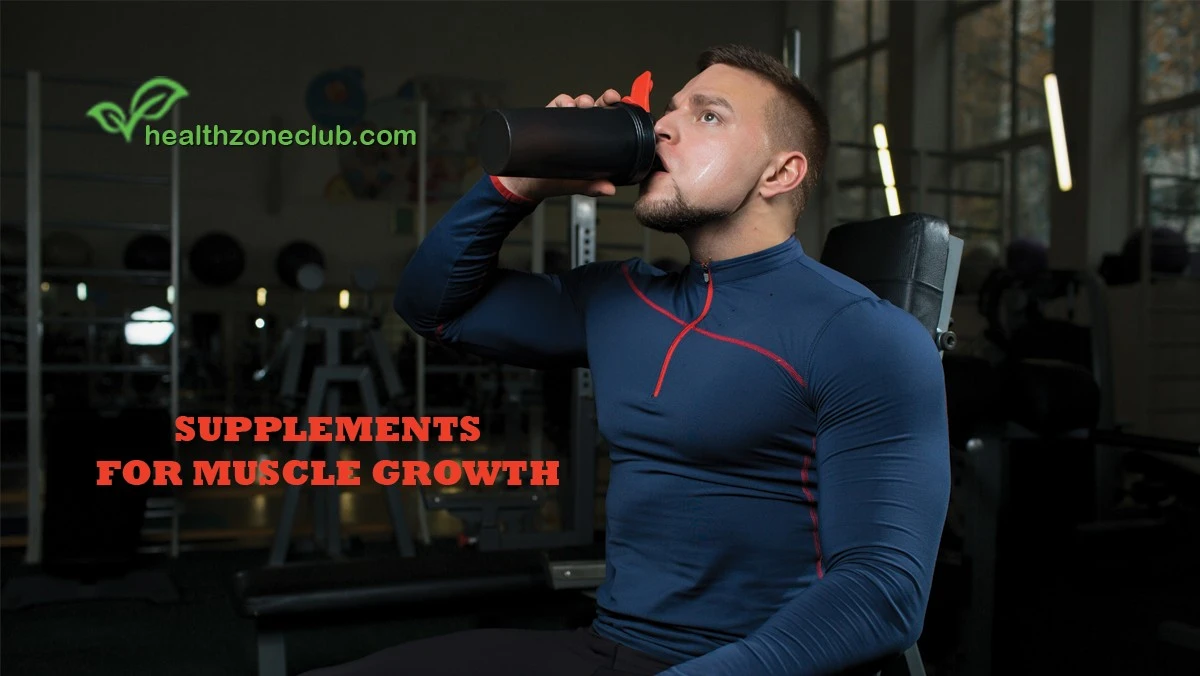
Building muscle requires dedication, proper training, and adequate nutrition. While a balanced diet forms the foundation, supplements for muscle growth can provide additional support to help you reach your fitness goals more efficiently. Whether you are a beginner or experienced athlete, understanding which supplements actually work can save you time and money while maximizing your results.
Understanding Muscle Growth Supplements
Muscle growth occurs when protein synthesis exceeds protein breakdown in your body. This process requires adequate protein, energy, and recovery. Dietary supplements can support this process by providing concentrated nutrients that may be difficult to obtain through food alone.
Not all supplements are created equal. Some have extensive research supporting their effectiveness, while others lack sufficient evidence. The key is focusing on proven options that align with your specific goals and needs.
What Supplements Help Build Muscle Fast
When people ask what supplements help build muscle fast, the answer depends on several factors including training intensity, diet quality, and individual physiology. However, certain supplements consistently demonstrate superior results across different populations.
The most effective muscle building supplements work through various mechanisms. Some enhance protein synthesis, others improve workout performance, and several aid in recovery. Understanding how each works helps you create an optimal supplementation strategy.
Protein Supplements: The Foundation
Protein supplements remain the cornerstone of any muscle building stack. Whey protein isolate, in particular, provides high quality protein with excellent absorption rates. These supplements deliver essential amino acids your muscles need for repair and growth.
For those wondering which protein is best for muscle gain, whey protein stands out due to its complete amino acid profile and rapid digestion. However, plant based options like pea or rice protein also work effectively, especially when combined properly.
A typical boost protein drink delivers 20 to 30 grams of protein per serving. This amount supports muscle protein synthesis when consumed after workouts or between meals. For beginners, starting with a basic protein powder provides an accessible entry point into supplementation.
Creatine: The Proven Muscle Builder
Creatine ranks among the most researched and effective supplements available. This naturally occurring compound helps your muscles produce energy during high intensity exercise. Studies consistently show creatine supplementation increases strength, power, and muscle mass.
Many people compare bcaa vs creatine when choosing supplements. While both have benefits, creatine demonstrates superior evidence for muscle growth and strength gains. Taking 3 to 5 grams daily provides optimal results for most individuals.
Creatine supplementation in females produces similar benefits as in males. Research shows women experience improved strength and lean muscle mass without unwanted side effects. Despite common misconceptions, creatine does not cause excessive bulk in women.
The standard approach involves taking creatine monohydrate daily, with or without a loading phase. Mixing it with water or adding it to your protein shake makes supplementation convenient and sustainable.
Best Supplements for Gaining Muscle Mass
For those specifically focused on size, certain supplements excel at supporting mass gains. Mass gainers combine protein with substantial carbohydrates and calories, making them ideal for people who struggle to eat enough food.
Weight gainers typically contain 500 to 1,200 calories per serving, along with 50 plus grams of protein. These high calorie formulas help hard gainers achieve the caloric surplus needed for muscle growth. However, they work best when combined with proper resistance training.
Quality matters significantly with these products. Look for mass gainers using complex carbohydrates rather than simple sugars. Better formulations also include healthy fats, vitamins, and minerals to support overall nutrition.
Branched Chain Amino Acids for Recovery
Branched chain amino acids include leucine, isoleucine, and valine. These essential amino acids play crucial roles in protein synthesis and muscle recovery. While whole protein sources contain BCAAs, isolated supplementation may benefit specific situations.
Research on branched chain amino acids in females shows positive effects on muscle soreness and recovery. Women engaged in intense training may find BCAAs helpful for maintaining muscle mass, especially during caloric restriction.
Taking BCAAs before or during workouts can reduce muscle breakdown during training. However, if you already consume adequate protein throughout the day, additional BCAA supplementation may provide minimal extra benefit.
Fitness Supplements for Beginners
Starting your supplement journey can feel overwhelming with countless products making bold claims. Fitness supplements for beginners should focus on proven basics rather than exotic formulations.
A simple starter stack might include whey protein and creatine. These two supplements provide the most significant benefits with minimal complexity or cost. As you progress, you can add other supplements based on specific needs and goals.
Many beginners ask, “are supplements necessary for muscle growth?” The honest answer is no. You can build muscle through diet and training alone. However, supplements make hitting nutritional targets easier and more convenient, potentially accelerating your progress.
Safe Supplements for Muscle Development
Safety should always come first when choosing any dietary supplement. Stick with products from reputable manufacturers that conduct third party testing. This verification ensures you get what the label promises without harmful contaminants.
Natural muscle growth supplements derived from food sources generally present lower risk profiles. Protein powders, creatine, and amino acids fall into this category. Avoid proprietary blends that do not disclose exact ingredient amounts.
Most effective muscle building supplements have established safety records when used as directed. However, consulting with a healthcare provider before starting supplementation makes sense, especially if you have underlying health conditions.
Growth Female Muscle: Special Considerations
Women often have different concerns when selecting supplements. The good news is that growth female muscle follows the same basic principles as male muscle development, though hormonal differences affect the rate and pattern of gains.
Women’s fitness supplements should support lean muscle development without excessive bulk. Protein supplements, creatine, and amino acids all benefit women seeking to build strength and definition. These supplements help women with muscle achieve their aesthetic and performance goals.
Concerns about becoming too muscular from supplementation are largely unfounded. Women produce far less testosterone than men, making significant bulk very difficult to achieve naturally. Even the biggest natural bodybuilder among women demonstrates that substantial muscle requires years of dedicated training and nutrition.
Women’s fitness supplements can also address specific needs like bone health and iron status. Some formulations include additional nutrients that support female physiology alongside muscle building ingredients.
Pre Workout and Performance Enhancers
Bulk pre workout supplements contain ingredients designed to boost energy, focus, and exercise performance. Common components include caffeine, beta alanine, and citrulline. These compounds help you train harder and longer, indirectly supporting muscle growth.
Beta alanine increases muscle carnosine levels, which buffers acid during intense exercise. This allows you to complete more repetitions before fatigue sets in. The tingling sensation some people experience from beta alanine is harmless and typically diminishes with continued use.
Effective pre workout products provide moderate caffeine doses around 150 to 300 milligrams. This amount enhances alertness and performance without causing jitters or sleep disruption when timed appropriately.
Beta Hydroxy Beta Methylbutyrate
Beta hydroxy beta methylbutyrate, commonly known as HMB, is a metabolite of the amino acid leucine. Research suggests it may reduce muscle breakdown and support recovery, particularly in untrained individuals or during periods of intense training.
While less popular than other supplements, HMB shows promise for preserving muscle mass during caloric restriction. Athletes cutting weight while maintaining strength may find it beneficial. Typical doses range from 3 to 6 grams daily.
The protein builder acid properties of leucine and its metabolites make them valuable for muscle maintenance. However, HMB tends to be more expensive than other supplements with comparable benefits.
How to Choose Muscle Building Supplements
Selecting the right products requires considering your individual goals, budget, and dietary patterns. Start by identifying gaps in your current nutrition. If you struggle to meet protein needs through food, a protein supplement makes sense.
Read labels carefully and look for products listing specific ingredient amounts. Avoid supplements making unrealistic promises or claiming proprietary formulas. Transparency indicates a manufacturer confident in their product quality.
Consider whether you need specialized formulations. While grow young fitness supplements or beginner specific products exist, the core ingredients remain the same across most quality options. Marketing should not override evidence based ingredient selection.
Practical Application and Timing
Supplement timing can influence their effectiveness. Protein works well post workout or as a meal replacement. Creatine can be taken any time since it accumulates in muscles over time. Pre workout supplements obviously perform best before training.
Consistency matters more than perfect timing for most supplements. Taking your creatine daily, whether morning or evening, produces better results than sporadic use around workouts only.
Stay hydrated when using supplements, especially creatine and pre workouts. Adequate water intake supports performance and helps prevent potential side effects like cramping or digestive discomfort.
Conclusion
Supplements for muscle growth serve as valuable tools when combined with proper training and nutrition. Protein supplements, creatine, and branched chain amino acids lead the pack in terms of research support and practical effectiveness.
Do muscle growth supplements really work? Yes, when chosen wisely and used appropriately. However, they enhance rather than replace the fundamentals of muscle building. No supplement can compensate for inadequate training or poor nutrition habits.
Focus on proven options, prioritize safety, and maintain realistic expectations. Whether you are just starting out or looking to optimize your current routine, the right supplements can support your journey toward greater strength and muscle development. Remember that patience and consistency in both training and supplementation ultimately determine your success.