



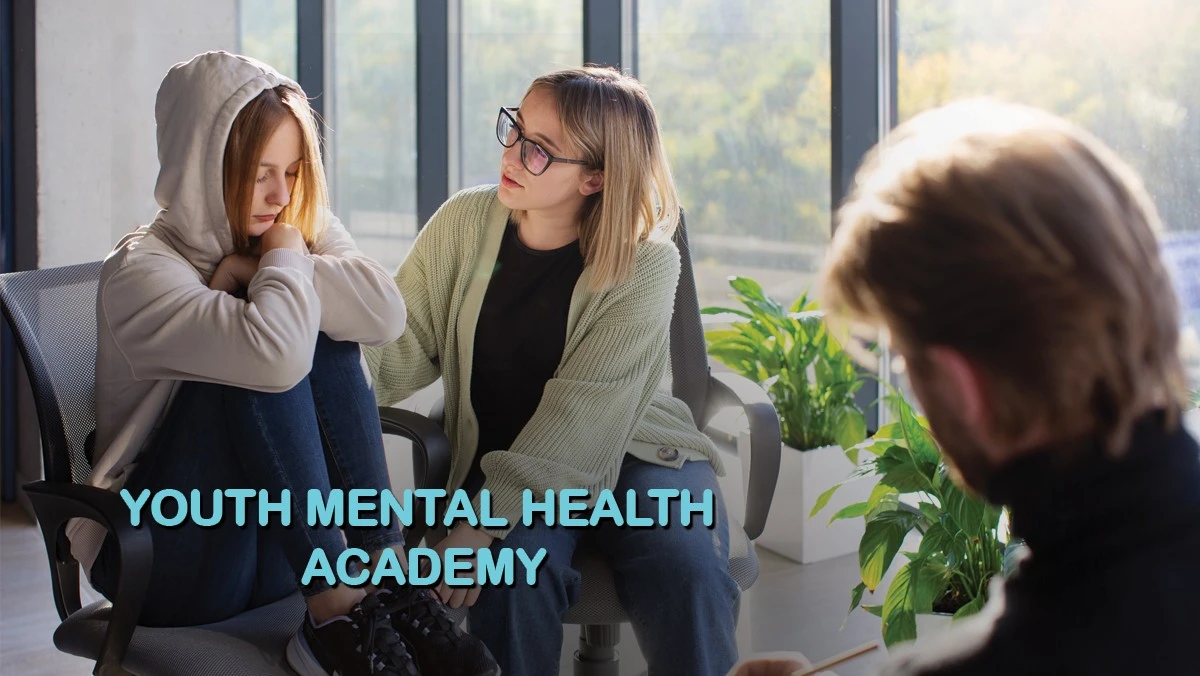
When I first heard about the concept of a youth mental health academy, I’ll be honest—I thought it was just another trendy program that would fade away like so many wellness initiatives before it. But then my younger cousin started struggling with anxiety during her sophomore year of high school, and suddenly everything changed. Watching her family scramble to find the right support, the right resources, and the right people who actually understood what teenagers go through today made me realize something crucial: we desperately need comprehensive, specialized training and education focused specifically on young people’s mental wellbeing.
That’s exactly what a youth mental health academy provides. It’s not just a building or a website—it’s a comprehensive approach to understanding, supporting, and nurturing the psychological wellbeing of our youngest generation during their most vulnerable years.
Understanding What Makes Youth Mental Health Unique
Here’s the thing most people don’t realize: working with youth mental health isn’t just scaled-down adult therapy. Teenagers and young adults are navigating a completely different landscape. Their brains are still developing, their identities are forming, and they’re dealing with pressures that didn’t even exist a generation ago. Social media, academic competition, climate anxiety, political polarization—the list goes on.
I remember sitting in a coffee shop last year, overhearing two high school students discussing their stress levels. One casually mentioned having three panic attacks that week like she was talking about the weather. The other nodded sympathetically, completely unfazed. When did this become normal?
An adolescent mental wellness program recognizes these unique challenges. These academies train professionals, educators, parents, and even young people themselves to recognize warning signs, provide appropriate support, and create environments where mental health is prioritized alongside physical health and academic achievement.
The Core Components of Teen Psychological Support Training
What exactly happens at these institutions? Well, the best youth mental health education programs combine several crucial elements that work together like instruments in an orchestra.
First, there’s the educational foundation. Participants learn about developmental psychology, the specific mental health challenges facing today’s youth, and evidence-based intervention strategies. This isn’t your grandmother’s psychology course—it’s cutting-edge, research-backed information that addresses contemporary issues.
Then comes practical application. Youth counseling certification courses include role-playing scenarios, case studies, and supervised practice. Theory is great, but when a seventeen-year-old is sitting across from you having a breakdown about college applications and friendship drama and family expectations all at once, you need real skills.
I spoke with Maria, a school counselor who completed training through a student emotional wellbeing academy last year. She told me, “Before the program, I thought I knew how to help kids. But I was basically winging it. The academy taught me specific techniques, how to ask the right questions, when to escalate concerns, and how to create a safe space where students actually want to open up.”
Youth Mental Health First Aid: The Game Changer
One of the most valuable components many of these programs offer is youth mental health first aid training. Think of it like CPR for mental health crises. Just as you’d want to know how to help someone having a heart attack before the ambulance arrives, mental health first aid teaches you how to support a young person experiencing a mental health crisis until professional help is available.
This training has literally saved lives. I’m not being dramatic—I’ve read the testimonials, seen the statistics, and heard firsthand accounts. A teacher in Sacramento who completed youth mental health first aid training recognized signs of severe depression in a quiet student who everyone else assumed was just shy. Her intervention led to the student getting help before a potential tragedy occurred.
The beauty of this approach is its accessibility. You don’t need a psychology degree to learn youth mental health first aid. Parents, teachers, coaches, youth group leaders—anyone who works with young people can benefit from this training.
Breaking Down Barriers to Mental Health Care
Now, let’s talk about something uncomfortable but necessary. Not everyone has equal access to mental health support. The barriers to mental health care for lgbtq youth in indiana—and frankly, in most places—are substantial and heartbreaking. These young people face unique challenges including discrimination, family rejection, and providers who lack cultural competency.
A truly comprehensive youth therapy training institute addresses these disparities head-on. Training includes modules on serving diverse populations, understanding intersectionality, creating inclusive environments, and recognizing how factors like sexual orientation, gender identity, race, socioeconomic status, and geographic location impact access to care.
During my research, I discovered programs specifically focused on sacramento youth mental health that have pioneered innovative approaches to reaching underserved communities. Mobile counseling units, school-based services, telehealth options, and partnerships with community organizations have expanded access significantly.
The Personal Journey: Why This Matters to Me
I need to get personal for a moment. My interest in adolescent behavioral health programs isn’t purely academic. When I was fifteen, I went through a period of intense depression that nobody recognized—including me. I thought I was just tired, just stressed, just going through “normal” teenage stuff.
Looking back now, the warning signs were everywhere. Withdrawing from friends, losing interest in activities I used to love, sleeping too much, struggling with concentration. But in the early 2000s, mental health wasn’t discussed the way it is now. There was no youth mental health academy training my teachers. No youth mental health first aid training for my parents. No student emotional wellbeing programs at my school.
I eventually got help, but it took years longer than it should have. That’s why these academies matter so much to me. They’re creating a world where the next generation doesn’t have to suffer in silence the way I did.
What You Actually Learn at These Programs
Let me break down what youth mental health professional development actually looks like, because “mental health training” can sound pretty vague.
Participants in these programs learn to identify common mental health conditions affecting young people: anxiety disorders, depression, eating disorders, substance abuse issues, self-harm behaviors, and suicidal ideation. They study the latest research on adolescent brain development and how it impacts decision-making, emotional regulation, and risk-taking behaviors.
There’s extensive training on communication techniques. How do you talk to a teenager who’s shutting down? What questions open up dialogue rather than shutting it down? How do you balance being supportive without being pushy? These might seem like soft skills, but they’re absolutely critical.
Then there’s crisis intervention training. What do you do when a young person discloses suicidal thoughts? How do you assess immediate risk? When do you involve parents, and when might that make things worse? These scenarios keep counselors up at night, and proper training provides the framework for making these difficult decisions.
Online youth mental health courses have made this education more accessible than ever before. Working parents can complete modules at night. Rural educators without access to in-person training can participate remotely. This democratization of knowledge is transforming the field.
The Certification Process and Career Pathways
For those wondering about youth mental health certification programs, the process typically involves several stages. Most require a foundational education in psychology, counseling, social work, or a related field, though some entry-level trainings are open to anyone.
Participants complete coursework covering the specific topics I mentioned earlier, accumulate supervised practice hours working directly with young people, and pass a comprehensive examination demonstrating their knowledge and competency. The best youth mental health training programs also require ongoing education to maintain certification, ensuring professionals stay current with evolving research and best practices.
Career pathways are diverse and growing. Graduates work as school counselors, therapists specializing in adolescent clients, program coordinators for youth mental health education resources, trainers teaching others about youth mental health, policy advocates pushing for better mental health services, and researchers studying effective interventions.
I met James at a conference last year. He started as a high school teacher, completed youth mental health specialist training, and now runs an entire district-wide mental health initiative. He told me, “This training didn’t just change my career—it changed how I see my role in students’ lives. I’m not just teaching English anymore; I’m helping shape emotionally healthy humans.”
Real World Impact: Success Stories and Outcomes
The proof is in the results. Schools that implement comprehensive teenage mental health workshops see measurable improvements: reduced disciplinary incidents, improved academic performance, better attendance rates, and—most importantly—students who report feeling more supported and understood.
One program I studied in detail tracked students over five years. Those who received support from staff trained through an adolescent mental health academy showed significantly lower rates of anxiety and depression, better coping skills, and higher rates of seeking help when needed. The long-term implications are profound—these aren’t just temporary fixes but foundational life skills.
Parents who complete training report feeling more confident addressing mental health concerns with their children, better able to distinguish between normal adolescent moodiness and genuine mental health issues, and more connected to their teens through improved communication.
Finding the Right Program for Your Needs
So how do you choose among the various young adult mental health resources available? Here’s what I’ve learned through extensive research and conversations with people who’ve been through these programs.
First, consider accreditation and credibility. Look for programs affiliated with recognized mental health organizations, universities, or professional associations. Read adolescent mental health academy reviews, but take them with a grain of salt—one person’s perfect program might not suit your needs.
Second, think about format and accessibility. Do you need in-person training for the hands-on experience, or would an online program better fit your schedule? Some people thrive in intensive weekend workshops; others prefer spreading learning over several months.
Third, consider specialization. Some programs focus broadly on youth mental health, while others specialize in specific areas like trauma-informed care, substance abuse prevention, or working with specific populations. Match the program to your goals and the populations you serve.
When you search for a “teen mental health academy near me,” you’re taking the first step toward making a real difference in young people’s lives. That search might lead you to a local community college offering certificates, a hospital system providing specialized training, or a nonprofit organization focusing on youth wellbeing.
The Future of Youth Mental Health Support
Looking ahead, I’m genuinely optimistic about where this field is going. More schools are implementing mental health education as part of standard curriculum. More insurance companies are covering mental health services for young people. More communities are investing in prevention rather than just crisis response.
The youth psychiatric education center model is evolving too, incorporating new technologies like apps for mood tracking, virtual reality for exposure therapy, and AI-assisted screening tools. But at its core, this work remains fundamentally human—it’s about connection, understanding, and caring enough to learn how to help.
Your Role in This Movement
Here’s the beautiful truth: you don’t have to be a mental health professional to make a difference. Every parent who learns the warning signs of depression, every teacher who creates a psychologically safe classroom, every coach who prioritizes wellbeing alongside winning, every friend who knows how to support youth mental health—they’re all part of this movement.
Youth mental health academies exist to equip as many people as possible with the knowledge and skills to support the young people in their lives. Whether you pursue formal certification or simply take a weekend workshop, whether you work with hundreds of students or focus on supporting your own children, the impact ripples outward in ways you might never fully see.
My cousin, the one I mentioned at the beginning? She’s doing much better now. Her school hired a counselor trained specifically in adolescent mental wellness, and that person connected her with appropriate resources. She learned coping strategies, her parents learned how to support her, and she’s thriving. That’s not luck—that’s the result of people who cared enough to get trained in youth mental health support.
Taking the Next Step
If you’ve read this far, you’re already invested in youth mental health. Maybe you’re a parent worried about your child. Maybe you’re an educator seeing students struggle. Maybe you’re a young person yourself looking for resources. Whatever brought you here, there are concrete steps you can take.
Research programs in your area or online that offer the level of training you’re seeking. Many organizations offer free introductory courses or webinars so you can explore before committing. Talk to people who’ve completed these programs—most are passionate about sharing their experiences. Start small if needed; even basic youth mental health education resources can make a significant difference in how you support young people.
The youth mental health crisis isn’t going away on its own. But neither is the growing network of informed, trained, compassionate people working to address it. Youth mental health academies are training an army of helpers, healers, and advocates who are changing the landscape of adolescent wellbeing one interaction at a time.
And honestly? That gives me hope.