



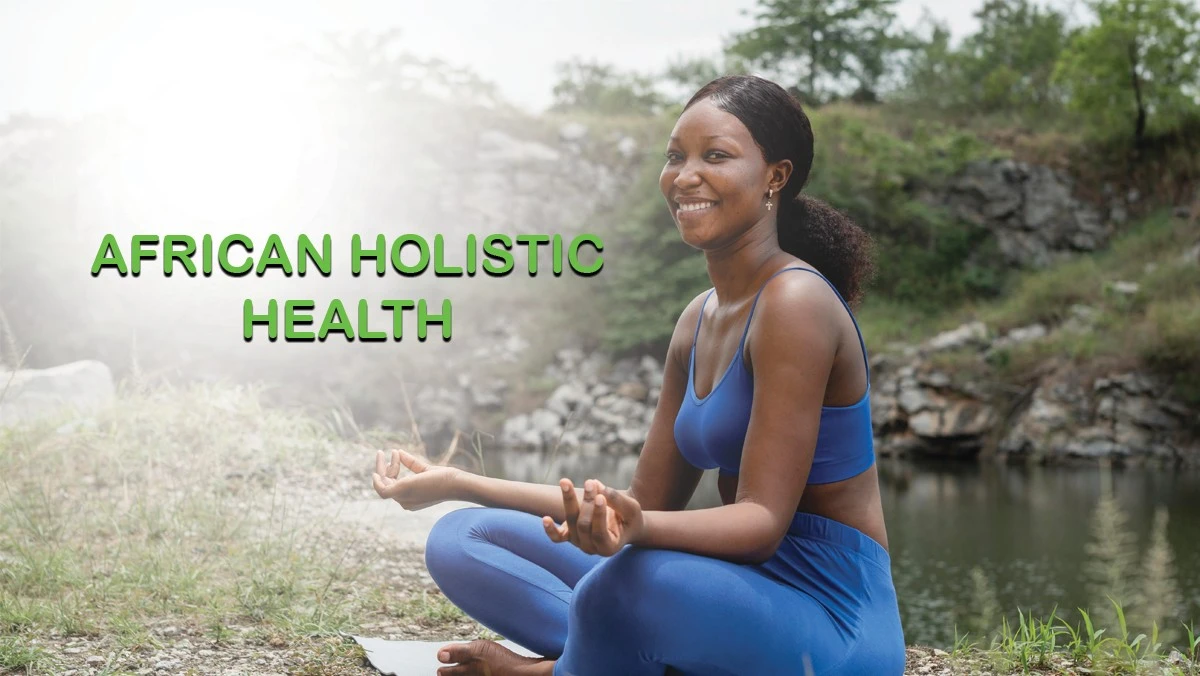
I’ll never forget the moment my grandmother placed her weathered hands on my feverish forehead and whispered words I didn’t understand. Growing up, I thought her remedies were just old wives’ tales. But when modern medicine couldn’t explain my chronic fatigue, I found myself returning to those childhood memories, searching for answers in the ancient wisdom I’d once dismissed. That journey led me to discover african holistic health, a comprehensive approach to wellness that has transformed not just my physical body, but my entire relationship with health and healing.
What Is African Holistic Health?
African holistic health represents a complete system of wellness that views the human body as an interconnected whole rather than separate parts. Unlike Western medicine’s tendency to treat symptoms in isolation, this ancient approach considers the physical, mental, spiritual, and emotional aspects of a person as inseparable components of overall health.
When I first encountered the african holistic health book by Llaila Afrika, I was skeptical. Could centuries-old practices really address modern health challenges? But as I delved deeper into these traditional African healing techniques, I discovered a sophisticated understanding of human physiology that rivals contemporary medical knowledge in many ways.
The philosophy behind african holistic health llaila afrika teaches us that disease doesn’t just appear randomly. Instead, it’s the body’s way of communicating imbalance. This perspective shifted everything for me. Rather than fighting against my body, I learned to listen to it.
The Historical Roots of Traditional African Medicine
African healing traditions stretch back thousands of years, predating many modern medical practices. Ancient Kemetic (Egyptian) physicians developed surgical techniques and medicinal formulas that still influence healthcare today. Throughout the continent, indigenous healing practices evolved alongside deep spiritual understanding and keen observation of nature’s patterns.
My research into african holistic health llaila o afrika revealed that these weren’t primitive remedies but sophisticated systems based on generational knowledge. Healers spent decades learning plant properties, energy systems, and diagnostic techniques passed down through oral traditions.
The holistic healing methods used by African ancestors recognized something Western medicine is only now beginning to acknowledge: everything is connected. Your gut health affects your mood. Your thoughts influence your immune system. Your spiritual wellness impacts your physical vitality.
Core Principles of Mind Body Spirit Balance
African holistic health rests on several fundamental principles that guide healing practices:
Wholeness Over Fragmentation
The body isn’t a machine with replaceable parts. It’s a living ecosystem where every cell communicates with every other cell. When I started applying this principle, I stopped seeking quick fixes and began addressing root causes. My persistent digestive issues, for instance, weren’t just about what I ate. They were connected to stress, sleep patterns, and even unresolved emotional trauma.
Nature as Medicine
Everything needed for healing exists in nature. Herbal remedies Africa has provided for millennia contain compounds that work synergistically with our bodies. Unlike synthetic medications that often come with harsh side effects, these natural medicine approaches support the body’s innate healing mechanisms.
I remember my first experience with traditional African healing remedies. A simple tea made from moringa leaves, ginger, and lemon grass gave me more sustained energy than any coffee ever had. No jitters, no crash. Just clean, natural vitality.
Prevention Over Cure
The wisest approach to health focuses on maintaining balance rather than waiting for disease to develop. This ancestral healing wisdom teaches that daily practices matter more than occasional interventions.
Spiritual Integration
Health extends beyond the physical realm. Spiritual wellness African culture emphasizes isn’t about religion necessarily. It’s about understanding your connection to something larger than yourself, whether that’s community, nature, ancestors, or divine energy.
Understanding Indigenous Healing Practices
Traditional African healers, often called sangomas, traditional doctors, or herbalists, undergo extensive training that combines botanical knowledge, spiritual development, and diagnostic skills. These practitioners don’t just treat symptoms; they investigate the underlying spiritual and energetic causes of illness.
When I visited an african family holistic health organization for the first time, I expected something mystical and foreign. Instead, I found practitioners who asked detailed questions about my lifestyle, relationships, diet, sleep, and stress levels. They observed my posture, examined my tongue and eyes, and felt my pulse. Only after this comprehensive assessment did they recommend treatments.
The diagnostic process itself was healing. Someone was finally looking at me as a whole person rather than a collection of symptoms on a chart.
Key Components of African Health Traditions
Herbal Medicine
Plants form the foundation of traditional healing. African botanical knowledge encompasses thousands of medicinal plants, each with specific properties and uses. Bitter herbs cleanse the liver. Aromatic plants clear respiratory systems. Root medicines strengthen vitality.
I started keeping a small apothecary of essential herbs: neem for immune support, baobab for digestion, African potato for inflammation, and rooibos for antioxidants. These natural African healing remedies became my first line of defense against minor ailments.
Nutritional Wisdom
What is African holistic health without proper nutrition? The approach emphasizes whole, unprocessed foods that nourish rather than merely fill. Traditional diets featured fermented foods for gut health, mineral-rich vegetables, and carefully prepared grains and legumes.
Modern diets have strayed far from these health-promoting patterns. When I eliminated processed foods and returned to eating like my ancestors, my energy soared. My skin cleared. Even my mental clarity improved.
Movement and Physical Practice
African cultures have always understood that the body needs movement. Traditional dances weren’t just entertainment; they were therapeutic practices that released stagnant energy, improved circulation, and strengthened community bonds.
I incorporated more intuitive movement into my daily routine. Sometimes that meant dancing in my living room. Other times it was walking barefoot in grass or stretching in ways that felt natural rather than following rigid exercise programs.
Water Therapy
Many African holistic health practices involve water for cleansing, both physical and spiritual. Cold water plunges, steam baths, and ritual washing all serve specific therapeutic purposes.
Starting my mornings with a brief cold shower was challenging at first. But this simple practice invigorated my immune system and sharpened my mental focus in ways I never expected.
The African Holistic Health Book and Its Impact
Llaila Afrika’s groundbreaking work compiled decades of research into African health traditions, nutritional science, and cultural practices. The african holistic health pdf has become a essential resource for anyone seeking to understand these ancient approaches.
Reading this comprehensive guide felt like coming home to knowledge my DNA already recognized. Page after page confirmed what my body had been trying to tell me: modern lifestyles conflict with our biological design.
The book doesn’t just present theory. It offers practical guidance on diet, supplementation, detoxification, and lifestyle modifications rooted in African health traditions while acknowledging contemporary contexts.
Practical Integration into Modern Life
You might wonder how to practice African holistic health in today’s fast-paced world. The beauty of this system is its adaptability. You don’t need to abandon modern conveniences or move to a different continent. Small, consistent changes create profound results.
Morning Rituals
I restructured my mornings around African holistic health principles. Upon waking, I drink warm lemon water to alkalize my system. I practice gratitude and intention-setting. I move my body gently through stretching or walking. This sets a positive tone for the entire day.
Dietary Shifts
Transitioning to an African holistic health lifestyle meant gradually removing inflammatory foods like refined sugar, excessive dairy, and processed items. I added more plant-based whole foods, focusing on vegetables, fruits, nuts, seeds, and properly prepared grains.
The changes weren’t overnight or perfect. Some days I still crave foods that don’t serve my health. But overall, my relationship with food transformed from unconscious consumption to mindful nourishment.
Herbal Support
Building a personal herbal practice became one of my favorite aspects of this journey. I learned which herbal remedies Africa offers for common concerns. Ginger for digestion. Moringa for nutrition. Hibiscus for blood pressure. African bird pepper for circulation.
These weren’t mysterious concoctions but simple preparations: teas, tinctures, powders added to smoothies. Accessible and effective.
Spiritual Practices
Integrative health practices must include spiritual dimensions. For me, this meant regular meditation, connecting with nature, honoring my ancestors, and cultivating community relationships.
I created a small altar space in my home where I could sit quietly, reflect, and feel connected to something beyond my individual concerns. This practice grounded me during stressful times and reminded me that healing is as much about consciousness as chemistry.
African Holistic Health Benefits You’ll Experience
After several years of practicing these principles, the transformations have been remarkable:
Physical Changes
My chronic fatigue resolved. Digestive issues that plagued me for years disappeared. My immune system strengthened; I rarely catch common colds anymore. Inflammation markers in my blood work improved dramatically.
Mental Clarity
Brain fog lifted. My focus sharpened. Creativity flowed more freely. The mental benefits of best African holistic health practices often surprise people, but they’re just as significant as physical improvements.
Emotional Balance
Anxiety that once controlled my life diminished to manageable levels. I developed better stress resilience. Emotional processing became easier as I learned to honor feelings rather than suppress them.
Spiritual Connection
Perhaps most profound was rediscovering my connection to ancestral wisdom. I felt rooted in something ancient and enduring. This spiritual wellness African culture values isn’t abstract; it’s deeply practical and empowering.
African Holistic Health vs Western Medicine
I’m often asked about african holistic health vs Western medicine, as if we must choose one or the other. But this isn’t an either-or situation. Both systems offer valuable contributions.
Western medicine excels at acute care, emergency interventions, and diagnostic technology. If I break my leg, I want an orthopedic surgeon, not just herbal poultices.
However, for chronic conditions, preventive care, and overall wellness optimization, traditional African healing techniques provide tools Western medicine often lacks. They address root causes rather than managing symptoms indefinitely.
The ideal approach integrates both systems. Use modern diagnostics to understand what’s happening in your body. Apply holistic principles to address underlying imbalances. Leverage emergency medicine when needed. Prioritize prevention through ancestral healing wisdom.
Where to Learn African Holistic Health
For those wondering where to learn African holistic health, resources have expanded significantly in recent years. Beyond the foundational african holistic health book, numerous workshops, online courses, and community organizations now teach these practices.
Seek out authentic teachers with deep knowledge rather than superficial cultural appropriation. Many african family holistic health organizations offer classes, consultations, and community support for those beginning this journey.
Start with reputable books and resources. Study the african holistic health pdf materials available. Connect with others walking this path. Experiment carefully and observe your body’s responses.
Common Misconceptions About Natural Medicine Approaches
Natural Means Safe
Not everything natural is safe for everyone. Herbs are medicine, and medicine requires respect, knowledge, and appropriate dosing. Work with knowledgeable practitioners, especially when dealing with serious health conditions.
It Works Overnight
Holistic healing often takes time. You’re not suppressing symptoms; you’re rebuilding health from the foundation up. Patience is essential. My own transformation unfolded over months and years, not days.
You Must Reject All Modern Healthcare
Extreme positions rarely serve us well. African holistic health for beginners should start with simple, safe practices while maintaining relationships with qualified healthcare providers who can monitor progress.
My Personal Journey Continues
Years into this path, I’m still learning. I still make mistakes. I still occasionally eat foods that don’t serve me or skip practices I know help.
But the difference is awareness. I notice how choices affect my wellbeing. I course-correct more quickly. I trust my body’s wisdom more deeply.
This journey back to ancestral knowledge hasn’t been about abandoning modernity but about remembering what humanity knew long before pharmaceutical companies existed: our bodies want to heal, nature provides what we need, and health encompasses much more than absence of disease.
African holistic health gave me tools to reclaim my wellness when conventional approaches fell short. It reconnected me with wisdom my ancestors carried. It taught me that healing is both an art and a science, both practical and mystical, both individual and communal.
Whether you’re dealing with chronic health challenges, seeking optimal wellness, or simply curious about traditional healing systems, exploring these ancient approaches might open doors you didn’t know existed. Start small. Stay curious. Listen to your body. Honor the wisdom of those who came before.
The path to wellness isn’t always straightforward, but it’s always worth walking. And you don’t have to walk it alone. Generations of ancestors, healers, and knowledge-keepers have left guideposts along the way. All we must do is open ourselves to receiving what they’ve so generously offered.