



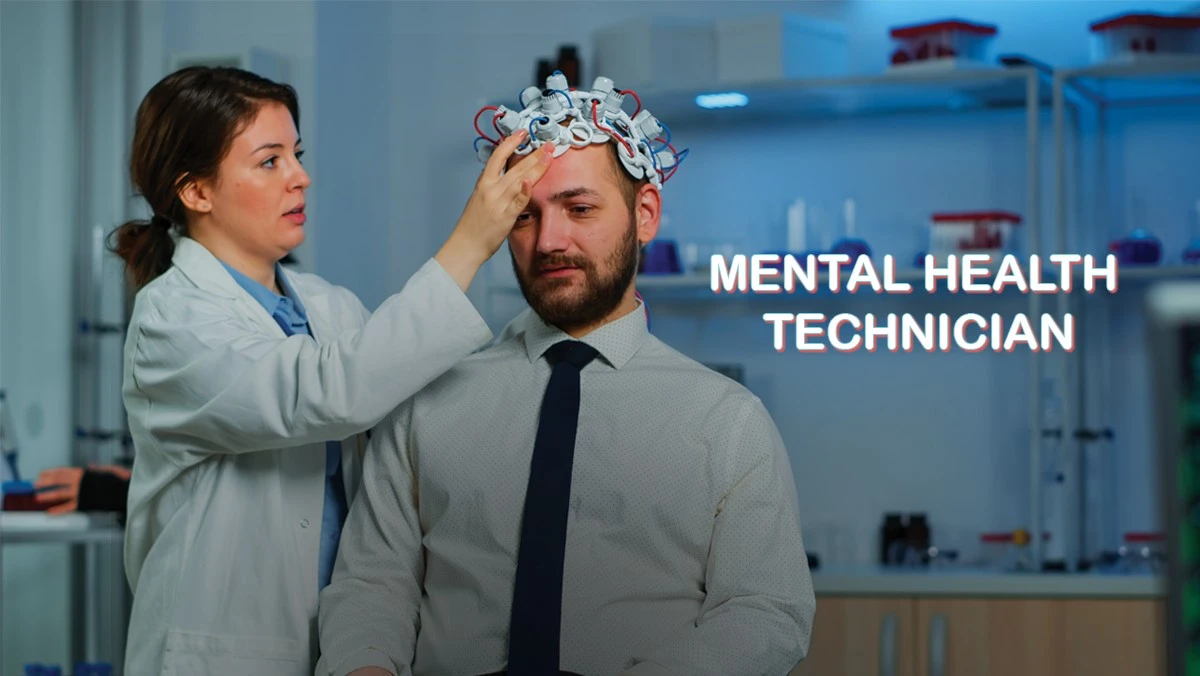
I’ll never forget the day I walked into my first shift as a mental health technician. My hands were shaking, my heart was racing, and I kept thinking, “Am I really qualified to do this?” Looking back now, after years in the field, I realize that uncertainty was actually the beginning of one of the most rewarding career journeys I could have ever imagined. If you’re reading this article, chances are you’re curious about what a mental health technician actually does, or maybe you’re considering this career path yourself.
Let me tell you something right upfront: becoming a mental health technician changed not just my career, but my entire perspective on human resilience, compassion, and the incredible capacity we all have to help others heal. This isn’t just a job where you clock in and clock out. It’s a calling that requires patience, empathy, and a genuine desire to make a difference in people’s lives during their most vulnerable moments.
What Does a Mental Health Technician Do
The mental health technician job description is far more comprehensive than most people realize. When I first started, I thought it would be similar to basic nursing work, but I quickly discovered it encompasses so much more. As a mental health technician, you’re essentially the eyes, ears, and often the steady hand that patients need during their recovery journey.
Core Responsibilities and Daily Tasks
Your primary responsibilities include monitoring patients with emotional illnesses, documenting their behaviors and progress, assisting with daily living activities, and serving as a crucial bridge between patients and the clinical team. I remember this one patient, Michael (name changed for privacy), who came in experiencing severe anxiety and depression. My role wasn’t to diagnose or prescribe treatment, but to observe his patterns, notice when he was struggling, and communicate those observations to the psychiatric team.
A Typical Day as a Mental Health Technician
What does a mental health technician do on a typical day? Well, there’s honestly no such thing as “typical” in this field. One morning you might be helping a patient with grooming and hygiene, ensuring they maintain their dignity during a difficult time. By afternoon, you could be facilitating group activities or recreational therapy sessions. Then by evening, you might find yourself de-escalating a crisis situation using techniques you’ve learned in your training.
Documentation and Patient Monitoring
The mental health technician duties and responsibilities also include administering medications under supervision, maintaining a safe environment for all patients, and documenting everything meticulously. That documentation part? It’s absolutely critical. I learned early on that my notes could make the difference in a doctor adjusting treatment that leads to a breakthrough for a patient.
How to Become a Mental Health Technician
When people ask me how to become a mental health technician, I always start by saying this: you don’t need a medical degree, but you do need heart. The mental health technician training requirements are actually more accessible than many people think, which is one of the reasons I was drawn to this career in the first place.
Educational Requirements and Prerequisites
Most positions require at minimum a high school diploma or GED. However, having some additional education gives you a significant advantage. Many employers prefer candidates with an associate degree in psychology, social work, or a related field. I started with just my high school diploma and a certification, but I eventually went back to complete coursework in mental health nursing, which opened more doors for me.
Mental Health Technician Certification Process
The mental health technician certification process varies by state, but typically involves completing a training program that covers crisis intervention, therapeutic communication, medication administration, and behavioral management techniques. These programs usually range from a few weeks to several months. I completed mine in about three months while working part time, and honestly, those were some of the most intensive learning experiences of my life.
The 7 Proven Steps to Get Started
Here’s what the step by step process typically looks like:
Step 1: Research State Requirements
First, research the specific requirements in your state because they can vary significantly. Some states require formal certification, while others allow on the job training.
Step 2: Complete Educational Prerequisites
Second, complete any necessary educational prerequisites. If you’re starting from scratch, consider enrolling in a community college program that offers courses in psychology, human behavior, or mental health nursing.
Step 3: Obtain Certification
Third, obtain your certification through an accredited program. Look for programs approved by organizations like the American Association of Psychiatric Technicians.
Step 4: Complete Clinical Hours
Fourth, complete any required clinical hours. Most programs include hands on training in actual mental health facilities, which is invaluable. My clinical rotation was at a residential treatment center, and that’s where everything I’d learned in the classroom suddenly clicked into place.
Step 5: Pass Required Examinations
Fifth, pass any required examinations. Some states require passing a competency exam before you can work independently.
Step 6: Apply and Complete Background Checks
Sixth, apply for positions and be prepared to undergo background checks and health screenings. Mental health facilities take safety seriously, so this process is thorough.
Step 7: Commit to Ongoing Education
Seventh, commit to ongoing education. The field of mental health is constantly evolving, and the best mental health technician professionals never stop learning.
Mental Health Technician Skills Needed
Let me be brutally honest about the mental health technician skills needed for this role. Technical knowledge is important, yes, but the soft skills are what truly make or break your success in this field. I’ve seen people with impressive credentials struggle because they lacked the interpersonal abilities that this work demands.
Communication and Interpersonal Skills
Communication skills top the list. You need to communicate clearly with patients who may be experiencing psychosis, severe depression, or other conditions that affect their ability to process information. I learned to adjust my communication style for each individual patient, speaking more slowly and simply with some, while others needed me to be direct and concise.
Patience and Emotional Regulation
Patience is absolutely non negotiable. There were days early in my career when I felt frustrated that a patient wasn’t making progress, or when someone lashed out at me verbally. My mentor at the time told me something I’ll never forget: “Their worst day is not about you. Your job is to remain steady when they cannot.”
Emotional regulation is crucial because you’ll be exposed to trauma, crisis situations, and stories that will break your heart. Understanding the emotional causes of illness list helps you maintain professional boundaries while still showing compassion. I’ve learned that you can care deeply without taking everything home with you, though I’ll admit that balance took years to develop.
Physical and Mental Stamina
Physical stamina matters more than you might think. This job involves being on your feet for long shifts, sometimes helping patients with mobility issues, and occasionally needing to respond quickly to emergencies.
Crisis Intervention and De-escalation
Crisis intervention skills are essential. You’ll receive training in de-escalation techniques, but having natural instincts about reading situations and responding calmly makes a huge difference. Can emotional trauma cause brain damage? Yes, and understanding the neurological impacts of trauma helps you approach patients with the compassion and patience they deserve.
Observational and Assessment Skills
Observational skills cannot be overstated. You need to notice subtle changes in behavior, mood, or physical presentation that might indicate a problem. I once noticed a patient’s hands trembling slightly during breakfast, which led to the discovery of a medication side effect that needed immediate attention.
Cultural Competency
Cultural competency is increasingly important as you’ll work with diverse populations. Understanding different cultural attitudes toward mental health, family dynamics, and treatment helps you provide more effective, respectful care.
Mental Health Technician Salary and Career Path
Let’s talk money, because while passion is important, we all have bills to pay. The mental health technician salary varies considerably based on location, experience, and work setting, but I’ll give you realistic numbers based on current data and my own experience in the field.
Entry Level Salary Expectations
Entry level positions typically start around thirty to thirty five thousand dollars annually. That’s roughly what I made when I first started, and while it wasn’t luxurious, it was livable, especially considering the comprehensive benefits most facilities offer. As you gain experience and additional certifications, that number climbs significantly.
Mid Career and Experienced Professional Earnings
Mid career professionals with three to five years of experience generally earn between forty and fifty thousand dollars per year. After I completed my specialized training in crisis intervention and obtained my mental health technician certification in psychiatric care, my salary jumped considerably.
Experienced technicians, particularly those working in specialized settings like forensic psychiatric facilities or working with specific populations, can earn upwards of fifty five to sixty thousand dollars annually. Location makes a massive difference too. Technicians in California, New York, and Massachusetts tend to earn significantly more than those in rural areas, though cost of living factors into that equation.
Mental Health Technician Career Path Options
The mental health technician career path offers several exciting directions for growth. Many technicians, myself included at one point, pursue additional education to become licensed practical nurses (LPNs) or registered nurses (RNs) specializing in mental health nursing. This transition makes sense because much of your hands on experience directly applies to nursing work.
Advancement Opportunities
Others move into supervisory roles, becoming lead technicians or unit coordinators. These positions involve less direct patient care and more administrative responsibilities, staff training, and program development. I briefly held a lead position and found it rewarding in different ways, though I ultimately preferred direct patient interaction.
Some technicians transition into social work, counseling, or therapy roles by completing master’s degrees. Your experience as a technician provides incredible foundational knowledge that makes you a stronger clinician. You’ve already seen what works and what doesn’t at the ground level.
Mental Health Technician vs Psychiatric Technician
The mental health technician vs psychiatric technician distinction is often confusing. In most contexts, these terms are interchangeable, though psychiatric technician sometimes implies more specialized training or work specifically in psychiatric hospitals rather than general mental health settings. Both roles share similar responsibilities and requirements.
Working in Different Mental Health Settings
Throughout my career, I’ve had the opportunity to work in various settings, and each offers unique experiences and challenges. Understanding these different environments helps you determine which path might be right for you.
Psychiatric Hospitals
Psychiatric hospitals are what most people picture when they think of mental health work. These acute care facilities serve patients in crisis who require 24/7 monitoring and intensive treatment. The pace is fast, the situations can be intense, and you’ll encounter everything from severe depression and anxiety to psychotic disorders and dual diagnosis patients dealing with both mental illness and substance abuse. Working in a psychiatric hospital taught me crisis management skills that have served me throughout my career.
Residential Treatment Centers
Residential treatment centers provide longer term care in a less restrictive environment. These facilities often serve adolescents or adults transitioning from acute care. The work here focuses more on rehabilitation, skill building, and preparing patients to return to community living. I found this setting particularly rewarding because you really get to see patient progress over weeks and months rather than just days.
PHP Mental Health Programs
PHP mental health programs, which stands for Partial Hospitalization Programs, offer intensive treatment during the day while patients return home at night. As a mental health technician in a PHP setting, you work more regular hours and help patients apply therapeutic skills to real world situations. These programs serve as a bridge between inpatient care and complete independence.
Outpatient Clinics
Outpatient clinics employ mental health technicians to assist with group therapy sessions, intake assessments, and patient monitoring during appointments. This setting offers the most regular schedule and typically less crisis intervention, making it appealing for technicians seeking better work life balance.
Correctional Facilities
Correctional facilities need mental health technicians to serve incarcerated individuals with mental health needs. This specialized setting requires additional training and a unique skill set, but it offers competitive pay and the opportunity to serve an underserved population. The work is challenging but incredibly impactful.
Understanding the Connection Between Trauma and Physical Health
One aspect of mental health work that fascinated me as I gained experience was learning about the intricate connections between emotional trauma and physical health. This knowledge fundamentally changed how I approached patient care and made me a more effective mental health technician.
Can Emotional Trauma Cause Thyroid Problems
Can emotional trauma cause thyroid problems? Absolutely. The stress response system directly impacts thyroid function, and chronic trauma can lead to dysregulation of thyroid hormones. I’ve worked with numerous patients whose physical symptoms improved once their trauma was addressed through therapy and support. Understanding these connections helps you recognize that someone’s physical complaints aren’t “all in their head” but rather legitimate manifestations of psychological distress.
The Neurological Impact of Trauma
The question of can emotional trauma cause brain damage is complex but important. Severe, prolonged trauma, particularly during childhood, can actually alter brain structure and function. Studies show changes in the hippocampus, amygdala, and prefrontal cortex in trauma survivors. As a behavioral health technician, recognizing these neurological impacts helps you maintain realistic expectations for patient progress and approach setbacks with greater compassion.
The Mind Body Connection
The emotional causes of illness list extends far beyond mental health conditions. Chronic stress and unresolved trauma contribute to cardiovascular disease, autoimmune disorders, chronic pain conditions, digestive issues, and so much more. I remember working with a patient named Sarah who came in for depression but also suffered from debilitating migraines. As her mental health improved through treatment, her migraines became less frequent and severe. The mind body connection isn’t mystical, it’s biological.
Real Stories from the Field
Some of my most profound learning experiences came not from textbooks or training sessions, but from the patients I’ve had the privilege of serving. These stories have shaped who I am as a mental health technician and reminded me why this work matters.
David’s Story: The Power of Presence
There was David, a veteran struggling with PTSD who initially refused to engage in any treatment activities. He would sit in the corner of the day room, arms crossed, responding to questions with one word answers or silence. Rather than pushing him, I started just sitting near him during my breaks, not saying anything, just being present. After about a week, he started talking. Small comments at first, then gradually more. He taught me that sometimes the most therapeutic thing you can do is simply show up consistently and create a safe space.
Maria’s Journey: Connection Through Shared Humanity
Then there was Maria, a young woman hospitalized after a suicide attempt. She was angry, hurting, and convinced that no one could possibly understand what she was going through. During one particularly difficult shift, I shared with her (appropriately and briefly) that I had lost a family member to suicide years ago. That moment of genuine human connection, acknowledging that pain and struggle are universal experiences, created a turning point in her treatment engagement.
Lessons from Every Patient
I’ve worked with patients experiencing their first psychotic episode, terrified and confused about what was happening to their minds. I’ve supported parents struggling with postpartum depression, feeling guilty and ashamed. I’ve assisted elderly patients with dementia related behavioral issues, trying to preserve their dignity while keeping them safe. Each person taught me something new about resilience, humanity, and the healing power of compassionate presence.
The Challenges You Need to Know About
I’d be doing you a disservice if I painted this career as all heartwarming success stories. The reality of working as a psychiatric care worker includes significant challenges that you need to consider before pursuing this path.
Burnout and Compassion Fatigue
Burnout is real and common in this field. The emotional weight of constantly being present for people in crisis takes a toll. I’ve seen colleagues leave the profession because they didn’t have adequate support systems or self care practices in place. You absolutely must develop healthy boundaries and ways to process the difficult things you’ll witness.
Vicarious Trauma
Vicarious trauma, also called secondary trauma, affects many mental health professionals. Hearing traumatic stories repeatedly can impact your own mental health. I’ve had periods where I experienced increased anxiety and hypervigilance in my personal life, directly related to what I was processing at work. Therapy, peer support, and recognizing the signs early are essential protective factors.
Physical Safety Concerns
Physical safety concerns exist, particularly when working with acutely ill patients who may become aggressive. I’ve been yelled at, threatened, and yes, physically assaulted more than once during crisis situations. Proper training in crisis prevention and de-escalation significantly reduces these incidents, but the risk never completely disappears.
Demanding Work Schedules
The work schedule can be demanding. Mental health facilities operate 24/7, which means working nights, weekends, and holidays. I’ve missed family gatherings, friends’ weddings, and countless social events because of my work schedule. The shift work also disrupts sleep patterns and can affect your physical health over time.
Finding the Right Balance
Emotional detachment becomes necessary for survival, but finding the right balance between professional boundaries and genuine connection is tricky. Get too detached and you lose the empathy that makes you effective. Stay too open and you’ll burn out quickly. This balance took me years to develop and still requires constant attention.
Why I Still Love This Work After All These Years
Despite the challenges I’ve just outlined, I genuinely love being a mental health technician. On the hard days, when I’m exhausted and emotionally drained, I remind myself of the moments that make it all worthwhile.
Witnessing Transformation
There’s nothing quite like watching someone who came in completely hopeless begin to smile again, to engage with life, to believe that recovery is possible. Those moments of transformation, whether dramatic or subtle, fuel me. I’ve received letters from former patients years after their discharge, telling me how they’re thriving now, how that difficult period became a turning point rather than an ending. Those letters go in a special folder I keep for the really tough days.
Personal Growth and Perspective
This career has made me a better human being. I’m more patient with others, more compassionate toward struggle, more aware of my own mental health, and more grateful for stability when I have it. Working closely with people experiencing mental health crises gives you perspective that’s hard to gain any other way.
Building Meaningful Connections
The relationships you build with colleagues create a unique bond. When you’ve supported each other through crisis situations, processed difficult patient outcomes together, and shared the weight of this work, you develop friendships that run deep. My coworkers aren’t just colleagues, they’re my second family.
Being Part of a Growing Field
The field of mental health is growing and evolving rapidly, which means opportunities for advancement, specialization, and innovation. New treatment modalities, better understanding of trauma informed care, increased integration of physical and mental health, these developments make this an exciting time to be in the field.
Taking the First Step
If you’ve read this far, you’re seriously considering this career path, and I want to encourage you. Yes, it’s challenging. Yes, it requires dedication and emotional resilience. But if you have compassion, patience, and a genuine desire to help people during their most difficult moments, this career can be incredibly fulfilling.
Getting Practical Experience
Start by volunteering or shadowing at a local mental health facility if possible. Many organizations offer volunteer opportunities that give you a realistic preview of the work environment. I volunteered at a crisis hotline before pursuing my certification, and that experience confirmed this was the right path for me.
Research and Network
Research training programs in your area and reach out to current professionals. Most mental health technicians are happy to share their experiences and answer questions. Join online forums or social media groups for mental health professionals to learn from others’ experiences.
Prepare Yourself Mentally
Consider your own mental health and support system before diving in. This work will challenge you emotionally, so having your own therapist, strong relationships, and healthy coping mechanisms isn’t just recommended, it’s essential.
Embrace the Learning Journey
Remember that becoming a skilled behavioral health specialist takes time. I made countless mistakes in my early years, had patients I connected with better than others, and had moments where I questioned my abilities. That’s all normal and part of the growth process. Give yourself grace and commit to continuous learning.
The mental health field needs dedicated, compassionate professionals now more than ever. If this article resonated with you, if you felt that spark of recognition when reading about the work, then perhaps this is your calling too. The journey to becoming a mental health technician isn’t always easy, but I can tell you from experience, it’s absolutely worth it.
Your future patients are out there, waiting for someone like you to show up, stay steady, and help them find their way back to hope. Maybe that someone is you.