



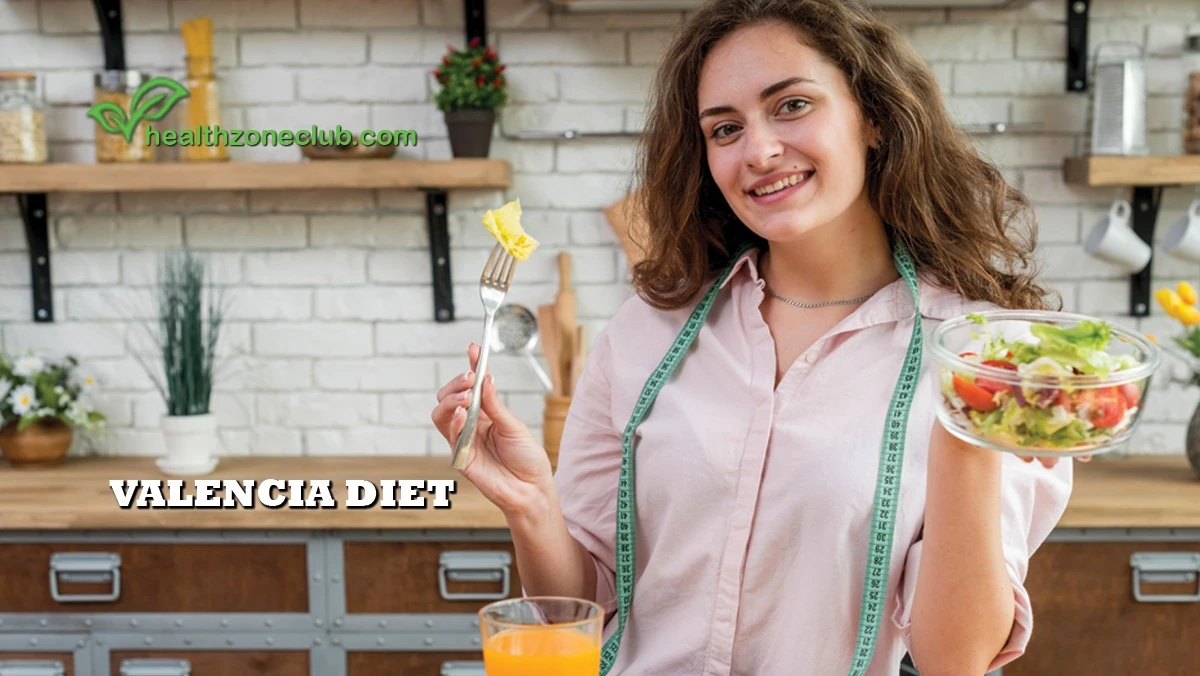
The valencia diet has emerged as one of the most talked about eating plans in the health and wellness community. Rooted in the traditional Spanish cuisine of the Valencia region, this dietary approach combines the best elements of Mediterranean nutrition with a focus on fresh, whole foods. Unlike restrictive fad diets, the valencia diet emphasizes balance, variety, and sustainable eating habits that support long term health.
Many people searching for what is the valencia diet are pleasantly surprised to learn it is not about deprivation or complicated meal preparation. Instead, this approach celebrates food as both nourishment and pleasure, drawing from centuries of Spanish culinary wisdom.
What Is the Valencia Diet?
The Valencia diet is a regional eating pattern based on the traditional foods consumed in Valencia, Spain. This coastal diet emphasizes fresh vegetables, fruits, whole grains, legumes, fish, olive oil, and moderate amounts of poultry and dairy. The foundation of this eating plan mirrors the broader Mediterranean eating plan but with specific emphasis on ingredients commonly found in the Valencia region.
Unlike many modern diets that rely on processed foods or strict calorie counting, the Valencia diet plan focuses on nutrient dense whole foods prepared simply. The diet takes its name from the Valencia region, known for its abundant citrus groves, rice fields, and access to fresh Mediterranean seafood.
Dr Valencia diet variations have been studied by nutritionists who recognize the health promoting properties of this traditional Spanish nutrition program. The emphasis on plant based foods, healthy fats from olive oil, and lean proteins creates a balanced approach to eating that supports overall wellness.
Core Principles of the Valencia Diet Plan
Understanding how to do the Valencia diet starts with grasping its fundamental principles. This is not a rigid program with strict rules but rather a flexible framework for healthy eating.
The diet prioritizes seasonal, locally sourced ingredients whenever possible. Fresh vegetables form the base of most meals, with tomatoes, peppers, eggplant, and leafy greens appearing frequently. Whole grains, particularly rice, serve as staple carbohydrates. The Valencia orange benefits and other citrus fruits provide natural sweetness and vitamin C.
Healthy fats come primarily from extra virgin olive oil, which is used generously in cooking and as a finishing oil. Nuts and seeds contribute additional beneficial fats and proteins. Protein sources include fish and seafood several times per week, legumes regularly, and moderate amounts of poultry and eggs.
The dieta valencia approach also emphasizes mindful eating practices. Meals are social events enjoyed with family and friends, eaten slowly and savored. This cultural aspect of Spanish cuisine wellness contributes to better digestion and greater satisfaction from food.
What Is the Valencia Diet Meal Plan?
A typical Valencia diet meal plan follows a pattern that distributes nutrition throughout the day while allowing flexibility based on individual preferences and schedules.
Breakfast might include whole grain toast with tomato and olive oil, a piece of fruit, and coffee or tea. Some variations include yogurt with nuts or a small serving of eggs with vegetables. The morning meal is moderate in size, providing sustained energy without heaviness.
Lunch traditionally serves as the main meal of the day in the doctor valencia diet approach. A complete lunch might feature a salad with mixed greens, tomatoes, and olives dressed with olive oil and vinegar, followed by a main dish such as seafood paella, grilled fish with roasted vegetables, or a legume stew with whole grain bread.
Dinner tends to be lighter, perhaps consisting of a vegetable soup, grilled chicken with a side salad, or an omelet with seasonal vegetables. Snacks between meals might include fresh fruit, a handful of almonds, or vegetable sticks with hummus.
This plant based Mediterranean structure ensures adequate nutrition while preventing overeating. The emphasis on whole, unprocessed foods naturally limits empty calories while providing essential nutrients.
Is the Valencia Diet Healthy?
The question of whether is the Valencia diet healthy can be answered with a resounding yes, supported by substantial nutritional research. This eating pattern aligns closely with dietary recommendations from major health organizations worldwide.
The high intake of fruits and vegetables provides abundant vitamins, minerals, and antioxidants. These nutrients support immune function, cellular health, and disease prevention. The fiber from plant foods, whole grains, and legumes promotes digestive health and helps maintain stable blood sugar levels.
The emphasis on olive oil as the primary fat source provides monounsaturated fatty acids that support cardiovascular health. Omega 3 fatty acids from fish and seafood contribute to brain function and reduce inflammation throughout the body.
Unlike restrictive diets that eliminate entire food groups, the valencia diet includes a wide variety of foods, making it easier to meet all nutritional needs. This diversity also makes the diet more sustainable over the long term, as people are less likely to feel deprived or bored with their food choices.
The traditional Spanish foods featured in this diet have nourished populations for generations, and modern research continues to validate their health promoting properties. Studies on Mediterranean dietary patterns consistently show associations with reduced risk of chronic diseases and increased longevity.
Does the Valencia Diet Have Real Health Benefits?
Scientific evidence strongly supports the health benefits of dietary patterns similar to the valencia diet. Research on Mediterranean and coastal diet Spain eating patterns reveals multiple mechanisms through which these diets protect and enhance health.
Improved Heart Health
One of the most well documented benefits involves cardiovascular wellness. The combination of healthy fats from olive oil and fish, abundant antioxidants from fruits and vegetables, and fiber from whole grains and legumes creates a powerful cardioprotective effect.
Studies show that people following Mediterranean eating plans experience lower rates of heart disease, reduced blood pressure, and improved cholesterol profiles. The anti inflammatory properties of the diet help prevent the development of atherosclerosis, the buildup of plaque in arteries that leads to heart attacks and strokes.
The moderate sodium intake and high potassium content from fruits and vegetables support healthy blood pressure regulation. Omega 3 fatty acids from seafood help maintain regular heart rhythms and reduce triglyceride levels.
Fat and Weight Loss
Those interested in healthy weight loss find the valencia diet particularly effective because it promotes satiety without requiring strict calorie restriction. The high fiber content of vegetables, fruits, legumes, and whole grains helps people feel full and satisfied after meals.
The emphasis on whole, unprocessed foods naturally limits calorie density while maximizing nutrient intake. Healthy fats from olive oil and nuts contribute to feelings of fullness and help prevent overeating. Protein from fish, legumes, and moderate amounts of poultry supports muscle maintenance during weight loss.
Unlike crash diets that often lead to rapid weight regain, the sustainable nature of the Valencia diet plan supports gradual, steady weight loss that is more likely to be maintained over time. The flexible structure allows for individual preferences and social eating, reducing the feeling of being on a restrictive diet.
Anti Inflammatory Properties
Chronic inflammation underlies many modern health problems, including heart disease, diabetes, arthritis, and certain cancers. The valencia diet is rich in anti inflammatory compounds that help reduce systemic inflammation.
Olive oil contains oleocanthal, a natural compound with anti inflammatory effects similar to ibuprofen. Colorful fruits and vegetables provide polyphenols and other antioxidants that neutralize inflammatory free radicals. Omega 3 fatty acids from fish actively reduce inflammatory signaling in the body.
By limiting processed foods, refined sugars, and excessive red meat, all of which can promote inflammation, the diet further supports an anti inflammatory state. This reduction in chronic inflammation contributes to improved overall health and may slow the aging process.
Enhanced Gut Health
The high fiber content of the valencia diet nourishes beneficial gut bacteria, supporting a healthy microbiome. Vegetables, fruits, whole grains, and legumes provide both soluble and insoluble fiber that promotes regular bowel movements and feeds probiotic bacteria.
Fermented foods occasionally included in regional eating habits, such as certain cheeses or pickled vegetables, contribute additional beneficial bacteria. A diverse, plant rich diet has been shown to increase microbial diversity in the gut, which is associated with better overall health.
The combination of fiber, antioxidants, and healthy fats supports the integrity of the intestinal lining, reducing the risk of leaky gut and related inflammatory conditions. Improved gut health influences not only digestive comfort but also immune function, mental health, and metabolic processes.
Improved Metabolic Health
The Valencia diet meal plan supports healthy metabolic function through multiple mechanisms. The low glycemic load of meals based on vegetables, whole grains, and legumes helps maintain stable blood sugar levels throughout the day.
This stability reduces insulin spikes and improves insulin sensitivity over time, lowering the risk of type 2 diabetes. The diet’s anti inflammatory effects also support better metabolic function, as inflammation interferes with insulin signaling.
Healthy fats from olive oil and fish support hormone production and cellular function. Adequate protein intake helps preserve muscle mass, which is crucial for maintaining a healthy metabolism as we age. The overall nutrient density of the diet ensures that all the vitamins and minerals needed for optimal metabolic function are provided.
How to Do the Valencia Diet: Practical Steps
Starting the valencia diet does not require a complete kitchen overhaul or complicated meal planning. Begin by gradually incorporating more plant based foods into your current eating pattern.
Stock your pantry with extra virgin olive oil, whole grains like brown rice and quinoa, canned legumes, and canned fish. Keep fresh vegetables and fruits on hand, focusing on seasonal options when possible. Valencia orange benefits and other citrus fruits make excellent snacks and recipe ingredients.
Plan meals around vegetables rather than meat. Instead of thinking of protein as the center of the plate with vegetables as sides, consider vegetable based dishes with smaller amounts of protein for flavor and nutrition.
Experiment with Valencia diet recipes that feature paella, gazpacho, vegetable stews, grilled fish, and simple salads. These traditional dishes are often simpler to prepare than you might expect.
Adopt the cultural practice of eating more slowly and mindfully. Turn off screens during meals, sit down to eat, and take time to enjoy your food. This practice enhances digestion and helps prevent overeating.
Common Questions About the Valencia Diet
People often wonder if the valencia diet is expensive. While high quality olive oil and fresh seafood can cost more than processed foods, the emphasis on seasonal vegetables, legumes, and grains helps balance the budget. Buying whole foods and cooking at home is generally more economical than purchasing convenience foods or eating out frequently.
Another common question involves whether the diet works for vegetarians or vegans. The plant forward nature of the valencia diet makes it easily adaptable. Simply emphasize legumes, nuts, seeds, and whole grains for protein while increasing vegetable portions. The core principles remain the same.
Some ask if the diet allows for flexibility and special occasions. The answer is absolutely yes. The Mediterranean approach to eating includes celebrations and social gatherings where richer foods might be enjoyed. The key is that the everyday pattern remains healthful, with occasional indulgences balanced by overall good habits.
Long Term Success With the Valencia Diet
Sustainability is a hallmark of the valencia diet. Unlike extreme approaches that people can only maintain for short periods, this eating pattern can become a lifelong habit. The variety of foods, flexibility of meal planning, and focus on enjoyment rather than restriction make it realistic for long term adherence.
As you become more familiar with the principles, you will naturally develop your own favorite meals and cooking techniques. The diet becomes less of a conscious effort and more of an intuitive way of eating that supports your health goals.
The social and cultural aspects of the diet also contribute to its sustainability. Sharing meals with others, taking time to prepare and enjoy food, and celebrating the flavors and traditions of healthy eating make this approach nourishing for both body and spirit.
Conclusion
The valencia diet offers a time tested approach to eating that supports multiple aspects of health. From cardiovascular protection to weight management, reduced inflammation to improved gut health, the benefits of this dietary pattern are well documented and significant.
By emphasizing whole, minimally processed foods, healthy fats, abundant plant foods, and moderate portions of quality protein, the Valencia diet plan provides comprehensive nutrition without the restrictions and complications of many modern diets. Whether you are seeking to improve your health, manage your weight, or simply enjoy delicious, satisfying meals, the principles of the valencia diet offer a sustainable path forward.